Request a Free Estimate
We don't just manage your pond or lake; we transform it into a beautiful, thriving ecosystem. It's what we love to do.
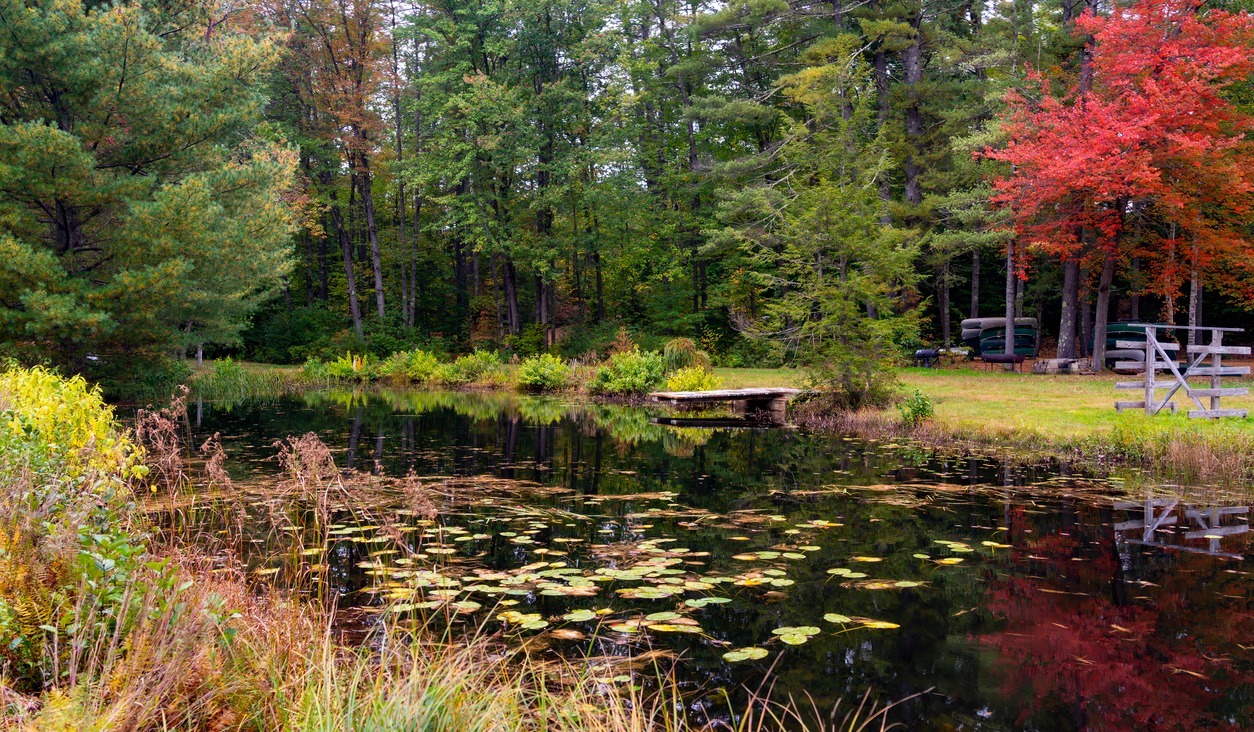
As summer heat fades and cooler weather arrives across North Carolina, fall is an ideal time to evaluate your pond or lake and prepare it for the months ahead. Seasonal pond maintenance can improve water quality, support healthier fish populations, manage unwanted vegetation, and help prevent problems from carrying into spring.
At Pond Lake Management, we provide professional pond and lake management services in North Carolina designed around the unique needs of each waterbody. Use this fall pond maintenance checklist to keep your property healthy, functional, and beautiful.
1. Plan for Fall Fish Stocking
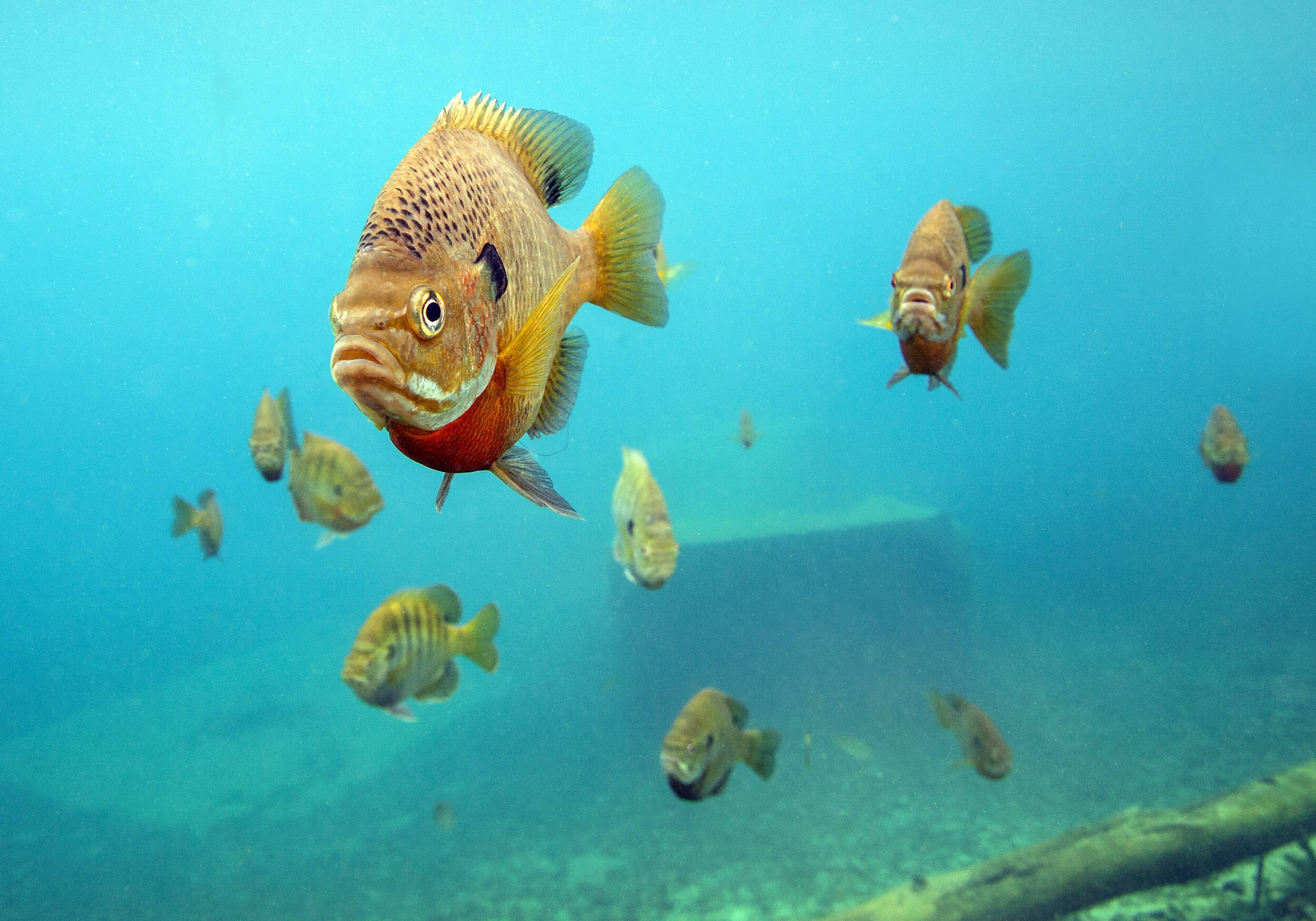
Cooler fall temperatures can provide favorable conditions for certain fish stocking strategies in North Carolina. In fact, North Carolina Cooperative Extension recommends fall stocking for species such as bluegill and redear sunfish when establishing a new warmwater fishery.
A balanced fish population is an important part of long-term pond management in North Carolina. Depending on your goals and existing fish population, species such as bluegill, redear sunfish, channel catfish, largemouth bass, fathead minnows, and other forage fish may play a role in creating a productive fishery.
Our Solution: Pond Lake Management offers professional fish stocking services for North Carolina ponds and lakes. Our team can evaluate your existing fishery and recommend appropriate species, sizes, quantities, and stocking schedules based on your goals.
Whether you're interested in better recreational fishing, a stronger forage base, or long-term fishery balance, a customized stocking plan can help set your pond up for success.
2. Manage Cattails and Shoreline Vegetation
Cattails and other shoreline plants can provide habitat and erosion protection in moderation, but excessive growth can quickly take over shallow areas. Dense vegetation can restrict access, interfere with recreation, and contribute additional organic material to the pond as plants die and decompose.
Fall is a good time to evaluate problem areas and develop a strategy for aquatic weed and vegetation control before the next growing season.
Our Solution: Our pond management professionals can identify nuisance vegetation and recommend an integrated management strategy based on the species present and the conditions of your waterbody. Managing vegetation proactively can help maintain a healthier, more accessible shoreline while reducing recurring problems.
3. Inspect Fountains and Pond Aeration
North Carolina winters are generally milder than those farther north, so fountains and aeration systems do not always need to be removed for the season. However, fall is still an important time to inspect, clean, and service equipment.
Aeration supports circulation and dissolved oxygen, which are important components of maintaining a healthy fishery. NC State Extension notes that effective aeration can help reduce the risk of oxygen-related fish kills in heavily managed or vulnerable ponds.
Our Solution: Pond Lake Management can inspect and service pond aeration systems and fountains in North Carolina to help keep equipment operating properly. Depending on your pond and local winter conditions, equipment may continue operating or require seasonal adjustments.
4. Reduce Leaves and Organic Muck
North Carolina's fall foliage may look beautiful around a pond, but those leaves can become a water quality problem once they enter the water.
As leaves and other organic debris decompose, they contribute nutrients and organic matter to the pond. Over time, this process can contribute to muck accumulation and create conditions that favor excessive algae and aquatic plant growth.
Our Solution: Fall pond water quality management can include removing excess debris, managing nutrient inputs, maintaining proper aeration, and using beneficial bacteria or other targeted solutions when appropriate. Addressing organic matter before it accumulates can help support clearer, healthier water.
5. Inspect Your Shoreline and Pond Structure
With vegetation beginning to die back, fall can make it easier to spot shoreline erosion, damaged banks, drainage issues, and other structural concerns.
Walk around your pond and look for bare soil, unstable banks, excessive sediment, clogged drainage areas, or sections where runoff may be carrying nutrients and sediment into the water.
For some North Carolina ponds larger than one acre, winter drawdown can also be a useful management strategy for addressing certain aquatic weeds, improving fish population balance, or completing shoreline and habitat work. However, it is not appropriate for every pond.
Our Solution: Our team can assess your shoreline and recommend solutions based on the condition and intended use of your pond.
6. Get Out and Enjoy Your Pond
Fall is one of the best times to enjoy a North Carolina pond or lake. Cooler temperatures make fishing, kayaking, walking the shoreline, and spending time outdoors much more comfortable.
A well-managed pond should be more than something you maintain, it should be an asset you can enjoy.
Take advantage of the season to fish, spend time with family and friends, and observe how your pond changes throughout the year. Those observations can also help identify areas that may need attention before next spring.
7. Start Planning Next Year's Pond Management
Many pond problems become much easier to address when they're caught early. Instead of waiting until algae, aquatic weeds, poor water clarity, or fish population issues appear next summer, fall is a good opportunity to develop a proactive management plan.
Our Solution: Pond Lake Management provides customized lake and pond management services throughout North Carolina. Our team can evaluate your waterbody and develop a plan that may include fish stocking, fisheries management, aquatic weed and algae control, aeration, water quality management, shoreline improvements, and other solutions based on your goals.
Preparing your North Carolina pond in the fall can make a noticeable difference when warmer weather returns. By addressing fish populations, vegetation, equipment, organic debris, and water quality now, you can help create a healthier and more enjoyable waterbody for the year ahead.
Prepare Your North Carolina Pond for Fall
Don't wait until spring to start thinking about your pond's health.Contact Pond Lake Management to discuss professional pond management in North Carolina and create a customized strategy for your lake or pond.
About Pond Lake Management — A Jones Lake Management Partner
Pond Lake Management provides comprehensive, science-based lake and pond management services across North Carolina. We deliver sustainable solutions to maintain healthy, attractive waterbodies in diverse coastal and inland environments. As a Jones Lake Management Partner, we offer a full range of services, including aquatic weed and algae control, water quality monitoring, aeration systems, fisheries management and fish stocking, invasive species control, shoreline stabilization and restoration, sediment management and hydraulic dredging, wetland management, and habitat enhancement. We serve HOAs, municipalities, golf courses, commercial properties, and private lake owners with customized, results-driven programs designed for long-term ecological health. Visit us at www.pondlakemanagement.com
We can handle any issues you are having with aquatic vegetation. Check out these services for more information, or contact us for a free quote.
We don't just manage your pond or lake; we transform it into a beautiful, thriving ecosystem. It's what we love to do.