Request a Free Estimate
We don't just manage your pond or lake; we transform it into a beautiful, thriving ecosystem. It's what we love to do.
Why Duckweed Takes Over North Carolina Ponds
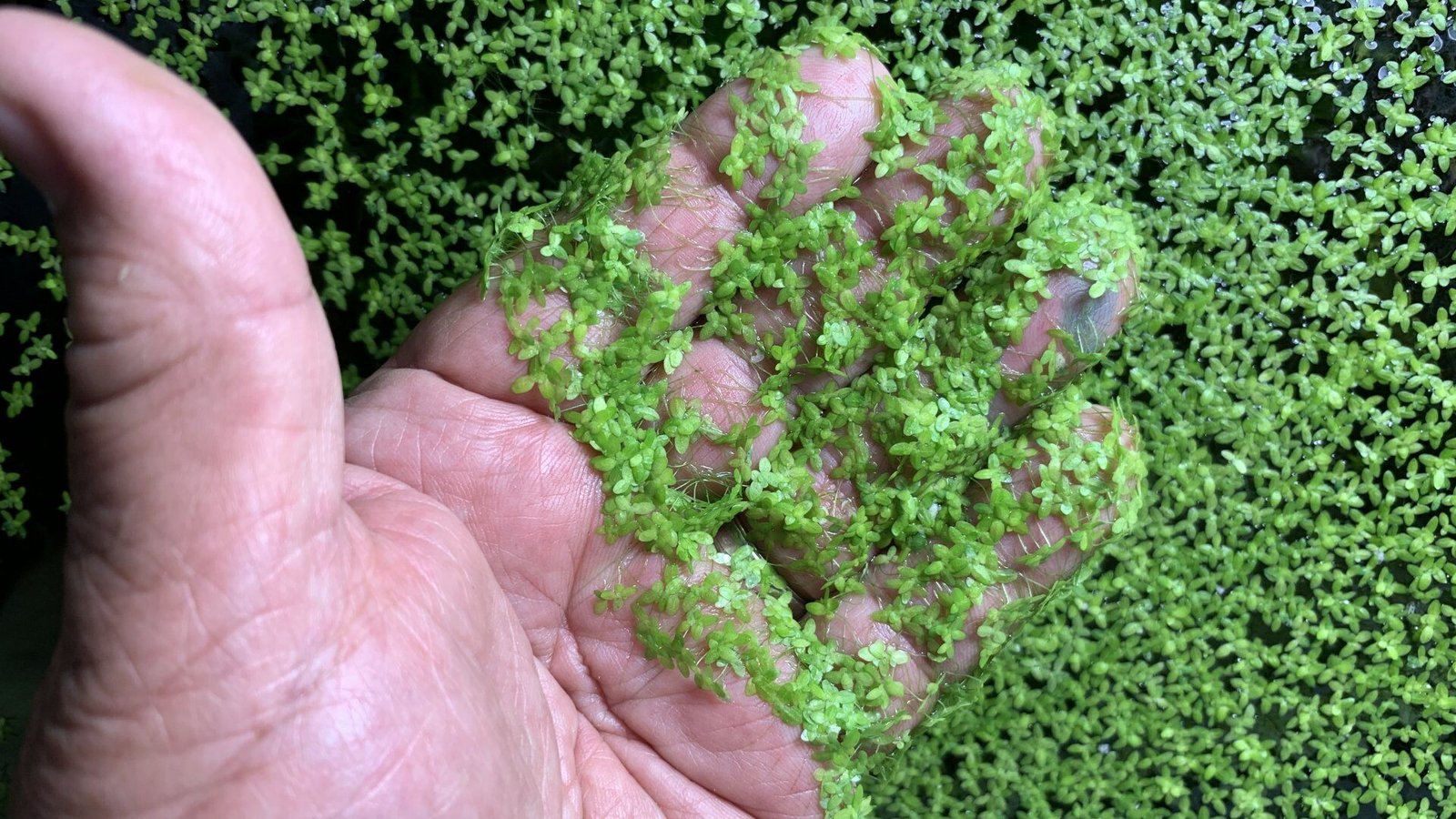
If your pond suddenly looks like it has been covered with a bright green carpet, you may be dealing with duckweed. This tiny floating aquatic plant can spread rapidly across ponds and lakes, particularly when warm temperatures, calm water, and abundant nutrients create ideal growing conditions.
For property owners throughout Greensboro, Winston-Salem, High Point, and Central North Carolina, duckweed can become much more than an aesthetic problem. Heavy growth can interfere with the health and enjoyment of a pond and may be a sign that the waterbody needs a more comprehensive pond management strategy.
Understanding why duckweed grows, what happens to it as the seasons change, and how professional aquatic weed control works can help North Carolina pond owners make better long-term management decisions.
What Is Duckweed?
Duckweed is the common name for a group of extremely small flowering aquatic plants that float freely on the water's surface. Individual plants consist of tiny green fronds with roots extending beneath the surface.
Because duckweed can form a continuous green layer, it is frequently mistaken for algae. However, duckweed and pond algae are not the same thing, and correctly identifying what is growing in your pond is an important first step toward choosing an effective treatment.
Duckweed naturally occurs in freshwater environments and can provide food and habitat for wildlife. Problems develop when favorable conditions allow the population to expand until large portions—or nearly all—of a pond's surface are covered.
Why Does Duckweed Grow So Quickly?
Duckweed thrives in calm, nutrient-rich water. North Carolina's warm growing season can provide favorable conditions for rapid aquatic plant growth, especially in ponds receiving excess nutrients from the surrounding watershed.
Nitrogen and phosphorus can enter ponds through sources such as:
Fertilizer and landscape runoff
Grass clippings and leaves
Animal waste
Eroded soil and sediment
Decaying aquatic vegetation
Stormwater runoff
When those nutrients accumulate, they provide additional resources for duckweed and other unwanted aquatic vegetation.
A few scattered plants can therefore become a significant pond weed problem surprisingly quickly.
Is Duckweed Bad for a Pond?
A small amount of duckweed isn't necessarily harmful. Like other aquatic plants, it can provide habitat for small organisms and serve as a food source for certain wildlife.
Dense duckweed mats are a different story.
When duckweed covers much of a pond's surface, it can reduce the amount of sunlight entering the water. Thick surface growth can also interfere with normal gas exchange between the water and atmosphere.
Those conditions can contribute to declining dissolved oxygen, particularly in ponds already experiencing poor circulation or high organic loads. Low dissolved oxygen can place fish under stress and, under severe conditions, increase the potential for a fish kill.
Heavy duckweed growth can also make ponds less attractive and interfere with fishing, fountains, drainage structures, and other uses.
For these reasons, duckweed control should focus on maintaining a healthier overall pond rather than simply removing the green plants visible at the surface.
What Happens to Duckweed During Winter?
North Carolina pond owners often notice duckweed beginning to disappear as temperatures fall. Unfortunately, that doesn't always mean the problem is gone.
Certain duckweeds can produce specialized overwintering structures known as turions. These structures store energy and sink below the surface as colder weather arrives, allowing the plant to survive unfavorable conditions.
When temperatures become favorable again, these structures can return toward the surface and resume growth.
That seasonal cycle helps explain why a pond that appears clear during winter may develop another duckweed problem the following growing season.
How Do You Control Duckweed in a Pond?
Effective duckweed treatment starts with proper identification and an evaluation of the pond itself.
Aquatic herbicides may be one component of a professional management program, but treatment should account for the size and depth of the pond, severity of the infestation, water conditions, desirable vegetation, fish populations, and how the waterbody is used.
Applying the wrong product or treatment rate can produce poor results and potentially harm desirable plants or other parts of the aquatic ecosystem.
Professional pond weed control also allows treatments to be monitored and adjusted as conditions change throughout the season.
Think Beyond Aquatic Weed Treatment
Duckweed is often a symptom of favorable growing conditions rather than an isolated problem.
If excess nutrients, stagnant water, or accumulating organic material continue to affect a pond, simply treating the visible duckweed may not address the conditions helping it return.
A more complete North Carolina pond management program may incorporate:
Pond aeration: Improving circulation and dissolved oxygen can support healthier water conditions and help address stagnant areas.
Nutrient management: Identifying and reducing nutrient inputs can address one of the primary factors contributing to excessive aquatic plant and algae growth.
Water-quality monitoring: Regular testing can reveal changes in oxygen, nutrients, pH, temperature, and other important pond conditions.
Algae and aquatic weed control: Correctly identifying nuisance vegetation allows treatments to be selected for the actual problem instead of relying on a one-size-fits-all approach.
Routine pond maintenance: Regular inspections can identify emerging problems before they develop into dense infestations that are more difficult to manage.
Professional Duckweed Control in Central North Carolina
Duckweed can spread quickly, but a green pond doesn't have to become a permanent part of your property.
Pond Lake Management provides professional pond maintenance, aquatic weed control, algae control, pond aeration, and water-quality services throughout Greensboro, Winston-Salem, High Point, and Central North Carolina.
Our technicians can assess the conditions contributing to unwanted vegetation and develop a customized pond maintenance plan designed around your waterbody. Instead of focusing solely on short-term appearance, we look at the factors influencing the health of the pond so management strategies can deliver better results over time.
If duckweed, algae, or other aquatic weeds are taking over your pond, contact Pond Lake Management to schedule a pond assessment and learn which management options are right for your property.
About Pond Lake Management — A Jones Lake Management Partner
Pond Lake Management provides comprehensive, science-based lake and pond management services across North Carolina. We deliver sustainable solutions to maintain healthy, attractive waterbodies in diverse coastal and inland environments. As a Jones Lake Management Partner, we offer a full range of services, including aquatic weed and algae control, water quality monitoring, aeration systems, fisheries management and fish stocking, invasive species control, shoreline stabilization and restoration, sediment management and hydraulic dredging, wetland management, and habitat enhancement. We serve HOAs, municipalities, golf courses, commercial properties, and private lake owners with customized, results-driven programs designed for long-term ecological health. Visit us at www.pondlakemanagement.com
We can handle any issues you are having with aquatic vegetation. Check out these services for more information, or contact us for a free quote.
We don't just manage your pond or lake; we transform it into a beautiful, thriving ecosystem. It's what we love to do.