Invasive Plants In North Carolina Lakes & Ponds

water hyacinth


North Carolina’s lakes and ponds are valuable resources for recreation, stormwater management, irrigation, and wildlife habitat. From HOA community ponds and golf course water features to private ponds and municipal lakes, these waterbodies contribute to property value and environmental health across the state.
 
However, aquatic invasive plants in North Carolina lakes and ponds are an increasing concern. The region’s warm climate, nutrient-rich runoff, and long growing season create ideal conditions for invasive aquatic vegetation to spread quickly. Without proactive North Carolina lake management and pond weed control, these species can overtake a waterbody, disrupt fisheries, and limit recreational access.
 
Understanding the most common invasive aquatic plants in North Carolina is the first step in protecting your lake or pond.

Hydrilla (Hydrilla verticillata)

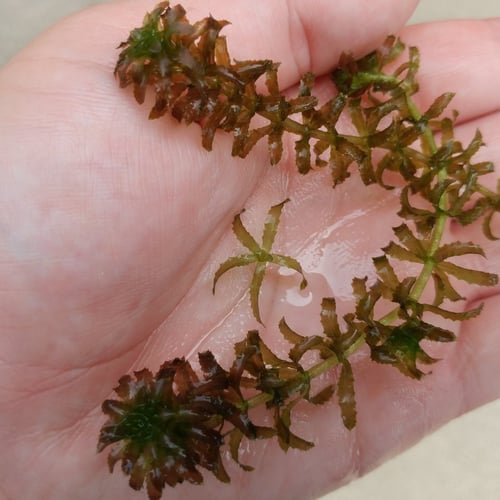
Hydrilla is one of the most problematic aquatic invasive species in North Carolina lakes. This submerged plant grows rapidly below the surface, forming thick underwater vegetation that can reach the top of the water column.

Hydrilla spreads through small fragments and underground tubers, making it extremely difficult to control once established.

Common problems caused by hydrilla include:

  • Reduced water flow in ponds and lakes
  • Difficulty boating, fishing, or swimming
  • Oxygen depletion when plants die and decompose

Professional lake vegetation management in North Carolina is often necessary to keep hydrilla from dominating a waterbody.
hydrilla_0


Water Hyacinth (Eichhornia crassipes)

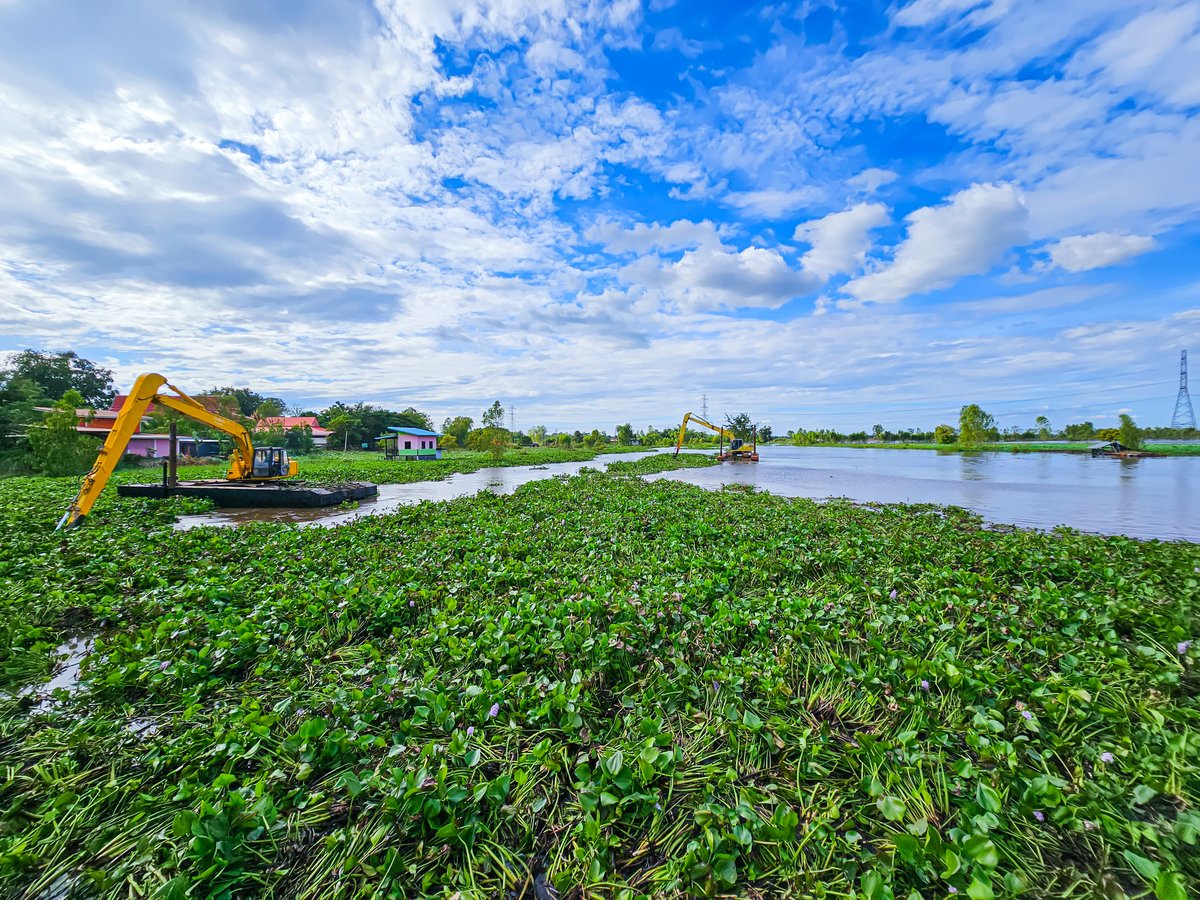
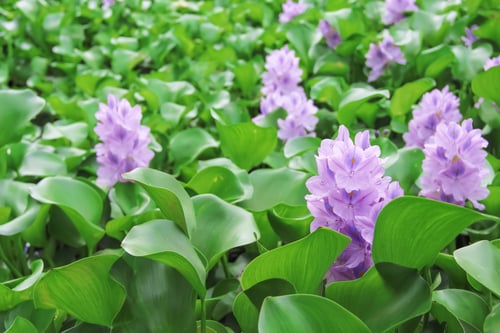
Water hyacinth is a floating plant known for its attractive purple flowers, but it is also one of the most aggressive invasive aquatic weeds in North Carolina ponds and lakes.

This plant forms dense floating mats that cover the water’s surface, blocking sunlight and preventing oxygen exchange.


If left unmanaged, water hyacinth can:
  • Cover entire ponds within a single growing season
  • Reduce oxygen levels for fish
  • Interfere with irrigation and stormwater systems

Routine inspections and aquatic weed control programs in North Carolina are essential to prevent widespread infestations.
hyacinth


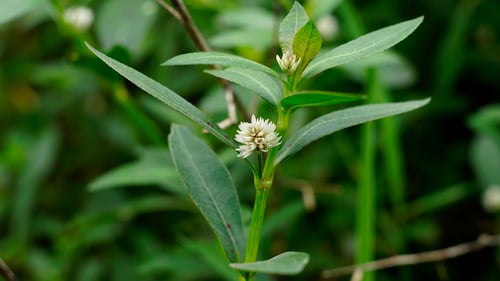
Alligatorweed (Alternanthera philoxeroides)

Alligatorweed is another major invasive plant affecting North Carolina lakes, ponds, and shorelines. It grows both in water and along shorelines, forming dense mats that crowd out native vegetation.

This aggressive plant spreads quickly through fragments and thrives in slow-moving or still water.

Alligatorweed infestations can:

  • Block drainage channels and stormwater flow
  • Reduce habitat for native aquatic plants

  • Limit recreational access along shorelines

Early detection and professional pond management services in North Carolina can prevent this species from spreading across an entire waterbody.
AdobeStock_589565284


Why Invasive Plants Are a Growing Problem in North Carolina

North Carolina’s climate provides ideal growing conditions for aquatic plants. Nutrient runoff from surrounding landscapes, combined with warm temperatures and abundant sunlight, accelerates invasive plant growth.

Without regular lake and pond maintenance in North Carolina, invasive vegetation can:

  • Reduce property values around lakes and ponds
  • Harm fish populations and wildlife habitat
  • Limit recreational use of the waterbody
  • Increase long-term restoration costs

Routine monitoring and proactive management strategies help prevent small infestations from becoming major problems.

Protecting North Carolina Lakes and Ponds

Whether you manage a HOA community lake, golf course pond, municipal stormwater basin, or private pond, a proactive management plan is the best defense against invasive aquatic plants.

Professional North Carolina lake management programs typically include:

At Pond Lake Management, we specialize in lake and pond management services throughout North Carolina, helping property owners protect water quality, fisheries, and the long-term health of their waterbodies.

Planning ahead for invasive species helps ensure your lake or pond remains healthy, functional, and beautiful for years to come.


About Pond Lake Management — A Jones Lake Management Partner
Pond Lake Management provides comprehensive, science-based lake and pond management services across North Carolina. We deliver sustainable solutions to maintain healthy, attractive waterbodies in diverse coastal and inland environments. As a Jones Lake Management Partner, we offer a full range of services, including aquatic weed and algae control, water quality monitoring, aeration systems, fisheries management and fish stocking, invasive species control, shoreline stabilization and restoration, sediment management and hydraulic dredging, wetland management, and habitat enhancement. We serve HOAs, municipalities, golf courses, commercial properties, and private lake owners with customized, results-driven programs designed for long-term ecological health. Visit us at www.pondlakemanagement.com 
  • There are no suggestions because the search field is empty.

Bluegill sunfish
Shop Fish

Stock your lake or pond with healthy, lively native to your area.

Get Out of the Weeds

We can handle any issues you are having with aquatic vegetation. Check out these services for more information, or contact us for a free quote.
1-1-ratio-image-placeholder-1

Request a Free Estimate

We don't just manage your pond or lake; we transform it into a beautiful, thriving ecosystem. It's what we love to do.