Managing Fish During Spawning Season in North Carolina Ponds
Spawning season is one of the most important times of year for fish populations in North Carolina ponds and lakes. Proper pond management during this period plays a critical role in fish reproduction, population balance, and long-term water quality.
Whether you manage a private pond, farm pond, or HOA lake in North Carolina, understanding how to support fish during spawning season can significantly improve your fishery results.
Why Spawning Season Matters in NC Ponds
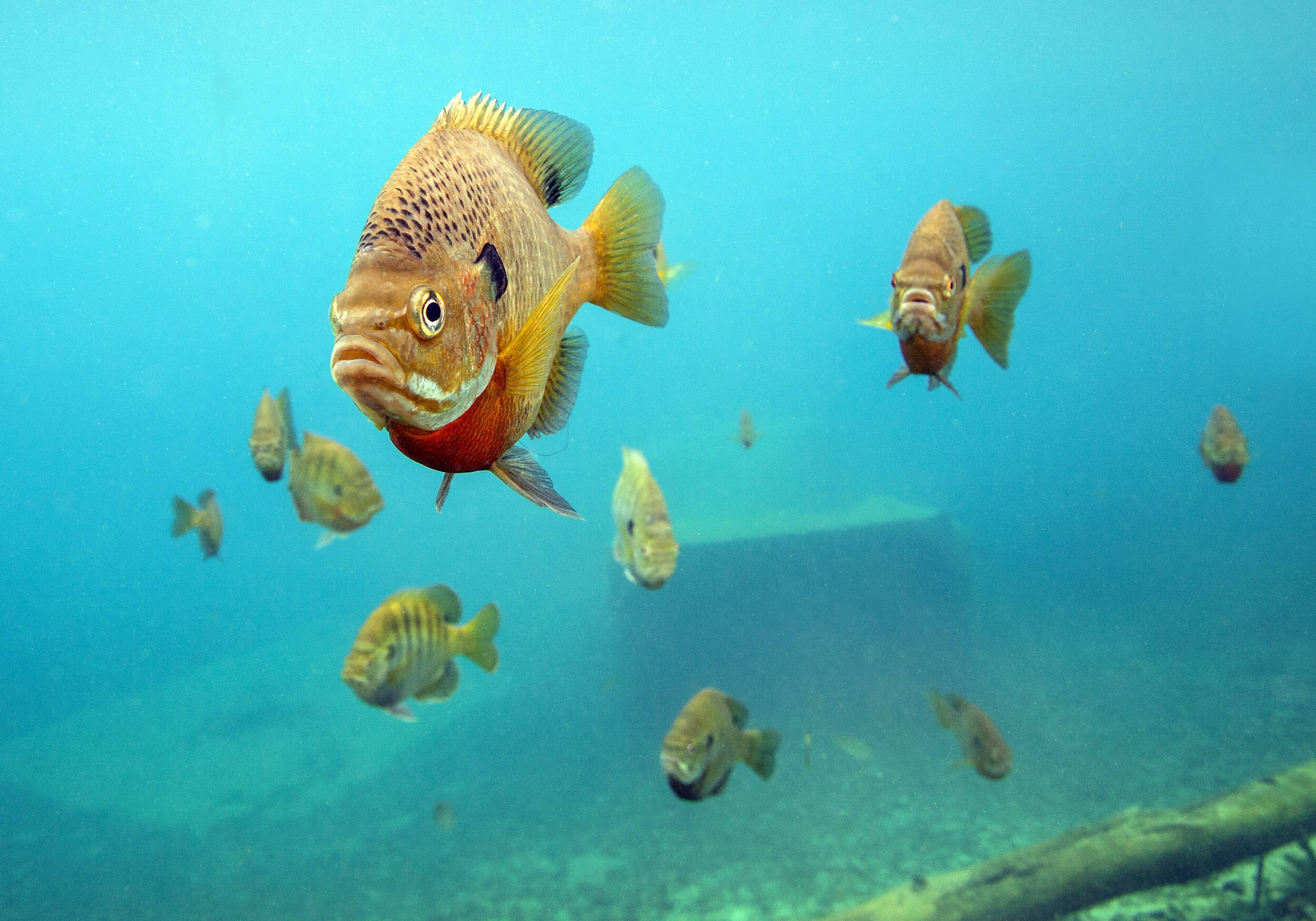
Fish spawning is when species reproduce by laying eggs in shallow, protected areas. In North Carolina, popular species like largemouth bass, bluegill, and crappie depend on stable conditions for successful spawning.
Without proper pond management, issues like poor water quality, shoreline erosion, or overfishing can reduce survival rates and harm future fish populations.
Effective spawning season management helps:
-
Increase fish survival rates
-
Strengthen year-class development
-
Maintain balanced fish populations
-
Improve long-term pond and lake health
Spawning Season Timing in North Carolina
Water temperature drives spawning activity across North Carolina ponds and lakes. Seasonal timing may vary slightly across the state, but generally:
-
Largemouth bass spawn when water reaches 60–70°F
-
Bluegill and sunfish spawn between 65–75°F
-
Crappie spawn in early spring, often March–April
Monitoring water temperature is a key part of effective pond management in North Carolina.
Best Practices for Pond Management During Spawning
1. Protect Spawning Habitat
Healthy habitat is essential for fish reproduction. In North Carolina ponds, fish typically spawn in shallow areas with firm bottoms, vegetation, or structure.
Improve spawning success by:
-
Maintaining beneficial aquatic vegetation
-
Installing gravel beds or fish habitat structures
-
Preventing shoreline erosion and sediment buildup
2. Reduce Disturbance
Fish are especially vulnerable during spawning season. Disturbances can cause fish to abandon nests, reducing survival rates.
To protect spawning fish:
-
Limit fishing pressure, especially targeting bass on beds
-
Reduce shoreline activity in shallow areas
-
Avoid construction or heavy equipment near pond edges
3. Maintain Water Quality
Water quality management is critical in North Carolina ponds, especially as temperatures rise.
Focus on:
-
Keeping dissolved oxygen above 5 mg/L
-
Reducing nutrient runoff from surrounding land
-
Preventing algae blooms and excessive weed growth
Pond aeration systems are highly effective for improving oxygen levels and maintaining overall pond health.
4. Balance Fish Populations
A balanced fishery ensures that young fish survive while preventing overpopulation.
Best practices include:
-
Avoid overharvesting largemouth bass
-
Monitor forage fish like bluegill and minnows
-
Consider professional fish stocking if populations are imbalanced
5. Manage Aquatic Vegetation Carefully
Aquatic plants are important for spawning, but too much growth can create problems in North Carolina ponds.
Maintain balance by:
-
Keeping vegetation coverage around 20–30%
-
Using selective aquatic herbicide treatments when needed
-
Avoiding whole-pond treatments during spawning season
Common Pond Management Mistakes in North Carolina
Many pond owners unintentionally harm fish populations during spawning season. Avoid these common mistakes:
-
Overfishing spawning bass
-
Drastic water level fluctuations
-
Overuse of algae or weed treatments
-
Ignoring stormwater runoff and nutrient inputs
Long-Term Benefits of Proper Pond Management
Managing fish during spawning season leads to stronger, healthier ponds across North Carolina.
Key benefits include:
-
Improved fishing quality and fish size
-
More stable fish populations year after year
-
Reduced need for frequent stocking
-
Better overall pond and lake ecosystem health
Final Thoughts
Spawning season pond management is one of the most effective ways to improve fish populations in North Carolina lakes and ponds. By protecting habitat, maintaining water quality, and minimizing disturbances, you support long-term success.
For the best results, consider working with a professional pond and lake management company in North Carolina to create a customized fishery management plan tailored to your property.
About Pond Lake Management — A Jones Lake Management Partner
Pond Lake Management provides comprehensive, science-based lake and pond management services across North Carolina. We deliver sustainable solutions to maintain healthy, attractive waterbodies in diverse coastal and inland environments. As a Jones Lake Management Partner, we offer a full range of services, including aquatic weed and algae control, water quality monitoring, aeration systems, fisheries management and fish stocking, invasive species control, shoreline stabilization and restoration, sediment management and hydraulic dredging, wetland management, and habitat enhancement. We serve HOAs, municipalities, golf courses, commercial properties, and private lake owners with customized, results-driven programs designed for long-term ecological health. Visit us at www.pondlakemanagement.com